
"coffee plant diseases"
5000 article(s) found

About the Colombian FNC National Federation of Coffee Growers of Colombia
Professional barista exchanges please follow the coffee workshop (Wechat official account cafe_style) about the greatest purpose of Colombian FNC FNC is to be the spokesman of Colombian coffee, promising that as long as coffee farmers are willing to sell coffee, FNC is willing to buy, FNC not only do Colombian coffee international ambassador to do coffee marketing in the international market, successfully created Uncle Juan

Caffeine and healthy caffeine is a kind of plant alkaloid.
Caffeine is a kind of plant alkaloid. At present, more than 60 kinds of plants are known to contain caffeine, of which coffee and tea are the most common. In fact, this is a product of tropical plants adapting to the environment. In the tropics, there is no winter, and diseases and insect pests are more serious, so plants have evolved many ways of self-defense. Caffeine is one of them, which can be regarded as a natural insecticide. Although there is one

Introduction to coffee planting technology-how to grow coffee trees
Field management of loosening soil and weeding: when the seedling height is 3cm to 6cm, the weak or overdense seedlings are pulled out; when the seedling height is 10cm and 13cm, the plant distance is about 30cm. Soil loosening and weeding were carried out at the same time between seedlings and fixed seedlings to keep the soil loose. Coffee beans are more drought-tolerant, and the soil can grow normally when the soil moisture is maintained. During the drought, the coffee beans should be properly watered, but there should be less squatting seedlings during the seedling fixing period.

Introduction to the classification of coffee varieties and the characteristics of coffee variety distribution
Coffee tree is a flowering plant of the genus Coffea of Rubiaceae. At present, there are about 120 species, ranging from small shrubs to 18-meter-tall trees. Wild coffee species grow irregularly in the tropics, and new species are still being discovered. Strictly speaking, there are only two major species of coffee that are cultivated to produce coffee: Arabica coffee (Arabica) and Canifra.

The benefits of coffee drinking coffee in moderation can prevent many diseases
As the saying goes, the plan of the day is in the morning. A cup of mellow and delicious espresso every morning can make people clear-headed, refreshed and confident. A bitter mixed drink can make people sad. More than a billion people start their day by drinking a cup of coffee first thing every day. Coffee has become the second most popular drink in the world after oil.

A brief introduction to the cultivation of Katim boutique coffee beans with obvious fruit flavor, geographical location, climate and altitude
Katim is a variety introduced later, with a relatively stable output and strong resistance to diseases and insect pests. It is planted in a large area in Yunnan, and now it is easy to buy Katim beans on the market. Katim aa beans are also exported beans, which is not bad on the whole. Not to mention in China, even in the whole of Asia, Yunnan's beans are very excellent. As for cat shit, Manning, etc.

Defense of Coffee in Central America: searching for Super genes to Save Wild Coffee
In March, about 20 people, including the world's top coffee researchers, gathered at the Centre for Tropical Agricultural Research and higher Education (CATIE) in Turialva, Costa Rica, to discuss the uncertain future of coffee, the world's most popular beverage crop, in Central America. The theme of the seminar was a very harmful agricultural disease: coffee rust in local Spanish.

Arabica coffee beans are black coffee beans.
Professional coffee knowledge exchange More coffee bean information Please pay attention to coffee workshop (Weixin Official Accounts cafe_style) Front Street-Introduction of three coffee bean varieties Arabica-Arabica Arabica has excellent flavor, but its yield is low and it is not resistant to diseases and pests. It has high requirements for planting conditions such as climate and soil. Generally, fine coffee is Arabica. Arabica's origin is high in Ethiopia

What are the coffee producing areas in Ecuador? How to rinse and boil the soybeans from the producing area of Samora, Ecuador
Professional coffee knowledge exchange more coffee bean information please follow the coffee workshop (Wechat official account cafe_style) which coffee producing areas in Ecuador? How to rinse and boil beans from Ecuador's Samora region? Coffee cultivation in Ecuador covers an area of 305.000 hectares, of which Arabigo coffee accounts for 68 per cent and Robusta coffee accounts for 32 per cent. Coffee

Description of flavor characteristics of EMBU koli fruit coffee beans in Enbu, Kenya
The Embu production area of EMBU in Kenya is located in EmbuCounty, the city of Embu, Kenya, near Mount Kenya, the largest extinct volcano in the East African Rift Valley. The Embu production area is planted at an altitude of about 1300-1900 meters. The volcanic soil here is fertile, except for the coffee tree.

What are the common types of coffee beans? what are the characteristics of the comparison of common coffee beans?
Professional coffee knowledge exchange more coffee bean information please follow Coffee Workshop (Wechat official account cafe_style) Tibica (also known as Typica) Tibica is the native species of all Arabica varieties. It is said that Tibika originated in southern Sudan, flourished in Ethiopia and was finally planted in Yemen for commercial production around the 7th century AD. Emperor

What are the varieties of Arabica coffee beans? What are the derivative types and characteristics of Arabica coffee beans?
Professional coffee knowledge exchange more coffee bean information please follow the coffee workshop (Wechat official account cafe_style) what are the varieties of Arabica coffee beans? What are the derivative types and characteristics of Arabica coffee beans? From the point of view of appearance, Arabica bean is long and flat, the central line is S-curve, Robbosa bean is strong, the shape is more round, and the central line is closer to a straight line.

Common diseases and pests in coffee cultivation and their control methods
It is distributed in all coffee producing areas in the world, and it also occurs in Yunnan, Guangxi and Hainan Island in China. It is one of the major pests of coffee. The coffee tiger longicorn beetle harms the coffee trunk for more than 2 years and begins to eat between the cambium and the xylem.
The best coffee in the world
When tasting single-origin coffee, you will see some information about the variety in addition to the country of origin, production area and geographical and climatic conditions. Arabica, Robosta, Bourbon, etc. For coffee flavor, of course, the difference in the production area is relatively large. Variety differences become interesting when discussing the variety of beans produced in the same region.

Cultivation of Katim boutique coffee beans planted at low altitude A brief introduction to the geographical location, climate and altitude
As for quality. I personally suggest that you can try it. Generally speaking, except Tiebika is a little more expensive, Katim can be said to be the price of cabbage. Tiebika medium roast taste individual coffee and then believe that you have your own comments, if you like the blue mountain flavor, I think I should like Yunnan Tibika. The taste is lighter and the aftertaste is long and fruity. But the first bite might.
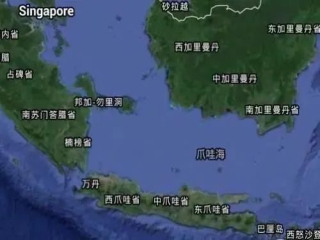
What kind of coffee beans are produced in Indonesia? what are the flavor characteristics of the three major coffee varieties in Indonesia?
Professional coffee knowledge exchange more coffee bean information please follow the coffee workshop (Wechat official account cafe_style) 1. Mantenin Coffee speaking of Indonesian coffee, we have to start with Mantenin in Sumatra. MANDHELING coffee is the most representative coffee bean in Indonesia.

A brief introduction to the Market Price of Katim Fine Coffee Bean varieties with long aftertaste
Typica: the oldest native variety in Ethiopia and southeastern Sudan. All Arabikas are derived from Tibika. The flavor is elegant, but the physique is weak, the disease resistance is poor, the fruit yield is less. Excellent manor beans such as the Blue Mountains of Jamaica, Manning of Sumatra and Kona of Hawaii all belong to Tibika. The top leaf of Tiebika is red copper, which is called red top.

Description of Flavor and Flavor of Coffee planting Environment introduction to Regional treatment of Coffee Variety
Description of taste and flavor of coffee tree planting environment and characteristics of coffee varieties the regional treatment method introduces that under the condition of good management, coffee begins to bear fruit in the third year after planting. The fertilization of adult coffee fruit trees should be mainly nitrogen and potassium fertilizer, and properly combined with phosphorus fertilizer and other elements. The effect of applying potash fertilizer from July to August is the best. Fruiting trees are generally fertilized 5 times a year, from February to March (flowering) and 4 ~

What is the quality of Yunnan small grain coffee? Explore the real situation behind the quality of coffee in Yunnan
For the exchange of professional baristas, please follow the coffee workshop (Wechat official account cafe_style). In January 2017, we lived in the processing plant we cooperated with in Dehong, Yunnan for half a month. It's a relatively new first-hand material. Let's talk about it in a nutshell. This year, our custom-made beans are still being fumigated and shelled. When we get the big goods later, we can add some of the flavor and final results and more details. Yunnan small grain coffee
Basic knowledge about coffee trees
Breed of coffee: When you taste single-origin coffee, you will see some information about the variety in addition to the country of origin, production area and geographical and climatic conditions. Arabica, Robosta, Bourbon, etc. For coffee flavor, of course, the difference in the production area is relatively large. When it comes to different varieties of beans produced in the same locality, the differences between varieties change.